
Understanding Laser Eye Surgery
Laser eye surgery is a medical procedure designed to correct refractive errors such as nearsightedness, farsightedness, and astigmatism. By reshaping the cornea with precise laser technology, patients can achieve clearer vision, often reducing or eliminating the need for glasses or contact lenses.
Two of the most common procedures are LASIK (Laser-Assisted In Situ Keratomileusis) and PRK (Photorefractive Keratectomy). While both aim to improve vision, the recovery times and techniques differ slightly.
- LASIK involves creating a thin flap in the cornea, reshaping the underlying tissue, and repositioning the flap.
- PRK removes the corneal surface layer before reshaping the cornea. The outer layer regenerates naturally, making PRK slightly slower in initial recovery but equally effective.
Laser eye surgery is safe, effective, and highly precise when performed by a qualified ophthalmologist. However, understanding the process, risks, and recovery is essential before making a decision.
See more: Cataract Surgery Recovery Timeline: What to Expect Day by Day
Preparing for Your Procedure
Proper preparation ensures a smooth surgery and faster recovery. Here’s what patients can expect:
1. Pre-Surgery Consultation
- Your ophthalmologist will conduct a detailed eye exam, including corneal mapping, vision tests, and pupil measurement.
- Discuss your medical history, medications, and lifestyle factors. Some conditions may affect your suitability for laser eye surgery.
2. Discontinuing Contact Lenses
- Soft contact lenses should be avoided for at least 1–2 weeks before surgery.
- Rigid gas-permeable lenses may require a longer break. This ensures accurate corneal measurements.
3. Planning Your Schedule
- Arrange for transportation on the day of surgery; you won’t be able to drive afterward.
- Plan at least a few days off work or school for recovery, especially if you undergo PRK.
4. Understanding Costs and Insurance
- Discuss laser eye surgery cost with your provider, including potential follow-up care.
- Some insurance plans may cover part of the procedure if it’s medically necessary.
What Happens During Laser Eye Surgery
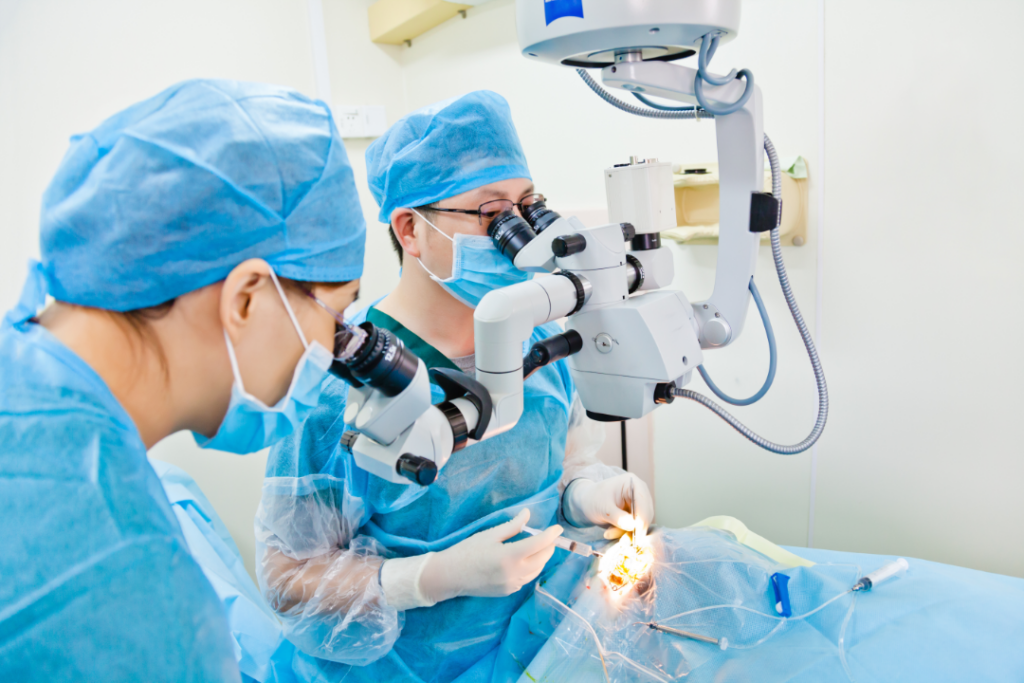
Laser eye surgery is quick, precise, and typically completed within 15–30 minutes for both eyes. Here’s a step-by-step guide:
1. Preparing the Eye
- Numbing eye drops are applied to minimize discomfort.
- An eyelid holder keeps your eye open and prevents blinking.
2. Creating the Corneal Flap (LASIK only)
- A thin flap is carefully lifted using a microkeratome or femtosecond laser.
3. Reshaping the Cornea
- The laser removes microscopic layers of corneal tissue to correct your refractive error.
- This step is painless, but you may feel pressure or see light patterns.
4. Repositioning the Flap (LASIK only)
- The flap is repositioned, acting as a natural bandage for faster healing.
5. PRK Variation
- For PRK, the corneal surface is removed before reshaping. The surface regenerates naturally over several days.
Pro tip: Bring sunglasses to wear immediately after surgery, as your eyes will be sensitive to light.
Recovery and Aftercare
Recovery varies depending on the procedure but generally follows these guidelines:
Immediate Post-Surgery
- Mild discomfort, burning, or tearing is common.
- Vision may be blurry initially but usually improves within hours (LASIK) or days (PRK).
First Week
- Avoid rubbing your eyes and follow prescribed eye drop schedules.
- Limit screen time and exposure to dusty or smoky environments.
First Month
- Attend follow-up appointments to monitor healing.
- Most patients resume normal activities within 1–2 weeks.
Tips for Faster Recovery
- Use lubricating eye drops as recommended.
- Wear sunglasses outdoors to reduce UV exposure.
- Avoid swimming or hot tubs for at least a month to prevent infection.
Risks, Benefits, and Long-Term Results
Benefits
- Reduced dependence on glasses or contact lenses.
- Quick, precise, and generally painless procedure.
- Long-lasting results for most patients.
Risks
- Dry eyes, glare, or halos around lights.
- Slight risk of under-correction or over-correction.
- Rare complications like infection or flap issues (LASIK).
Long-Term Results
- Most patients achieve 20/25 vision or better.
- Vision may change naturally with age, requiring occasional touch-ups.
Frequently Asked Questions (FAQ)
How long does laser eye surgery take?
The procedure itself is typically 15–30 minutes, with each eye treated separately.
Is laser eye surgery painful?
Most patients report minimal discomfort due to numbing eye drops. You may feel pressure but no pain during the procedure.
When can I see clearly after surgery?
- LASIK: Clear vision often within 24 hours.
- PRK: Vision improves gradually over 3–5 days.
Can I go back to work immediately?
Most patients take 1–2 days off after LASIK. PRK may require a longer recovery period.
How much does laser eye surgery cost in Australia?
Costs vary by clinic and procedure type, typically ranging from $2,000–$4,000 per eye.
See our guide on [LASIK vs PRK] for a detailed comparison.