
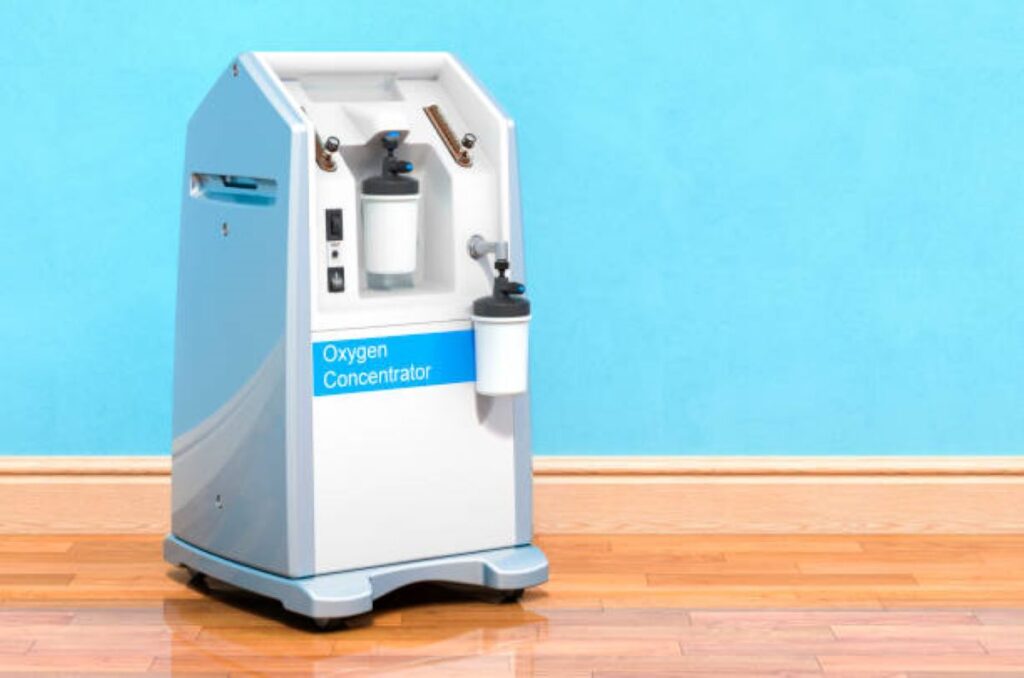
Below are five practical reasons people commonly choose oxygen concentrator Philips models.
Why do many people trust Philips for respiratory care?
Many people trust Philips because the brand has a long history in respiratory and sleep-related equipment, and that experience shows up in product design choices. They often look for predictable performance, familiar clinical workflows, and a manufacturer that understands home-care realities.
For buyers, that usually translates into fewer surprises during setup, clearer instructions, and a product line that feels built for everyday use rather than occasional use.
How do Philips concentrator models make daily use simpler?
Oxygen Concentrator Philips models are often chosen because they are designed to be straightforward to operate, even for users who do not consider themselves “tech people.” People tend to value controls that are easy to understand, visible indicators, and an overall layout that does not feel intimidating.
Caregivers also benefit when routines are simple. If an Oxygen Concentrator Philips device is easy to check, adjust, and monitor, they can focus more on comfort and safety instead of troubleshooting.
Why does comfort matter, and how do Philips models support it?
Comfort matters because oxygen therapy is frequently a long-hours routine. When the device fits more naturally into daily life, people are more likely to use it consistently, which is often the real goal.
Philips models are commonly selected because buyers expect a more home-friendly experience. That can include design decisions aimed at reducing day-to-day friction, such as easier mobility around the home and an overall experience that feels less disruptive to normal activities.
What makes Philips models a practical choice for home reliability?
Home users usually want a concentrator that feels dependable across ordinary situations: long runs, changing room temperatures, and frequent on-and-off cycles. Philips models are often considered because buyers associate the brand with stable, home-focused respiratory equipment.
Reliability also includes maintenance expectations. People typically prefer a device that makes routine care feel manageable, with clear guidance on what should be checked and when to involve a provider.
Other Resources : Oxygen supplement for aged care
How can service, parts, and support influence the decision?
Support matters because a concentrator is not just a one-time purchase. People think about what happens if they need help, replacement parts, or warranty service, especially when therapy is ongoing.
Philips models are often chosen because buyers expect stronger service networks and clearer support pathways through medical equipment providers. When they can get help quickly, they spend less time worrying and more time keeping therapy consistent.
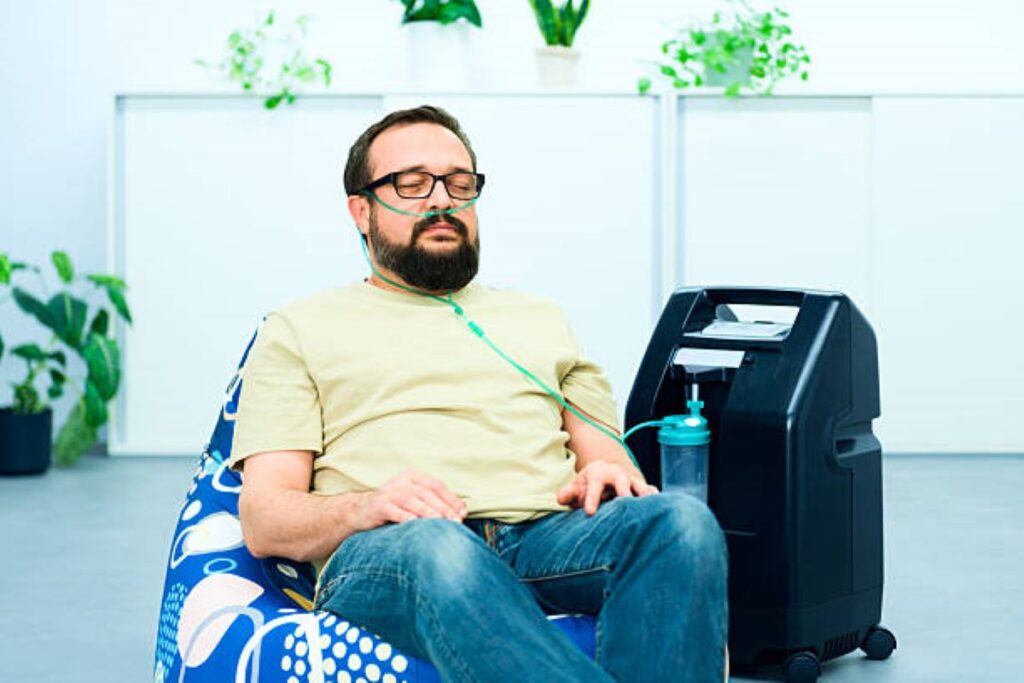
What should they confirm before choosing a specific Philips concentrator?
They should confirm the prescribed flow range, the intended use pattern (daytime, nighttime, or both), and whether portability is a priority. They should also ask the supplier about noise expectations, power considerations, maintenance routines, and what support looks like after delivery.
Most importantly, they should ensure the exact model matches the clinician’s prescription and the household’s real-life needs, not just a product description.
More to Read : Portable Oxygen Cylinder vs Concentrator: Pros and Cons
FAQs (Frequently Asked Questions)
Why do many people trust Philips for respiratory care equipment?
Many people trust Philips because of its long history in respiratory and sleep-related equipment, which is reflected in thoughtful product design. Buyers appreciate predictable performance, familiar clinical workflows, and a manufacturer that understands home-care realities, resulting in fewer surprises during setup and clearer instructions.
How do Philips oxygen concentrator models simplify daily use for users and caregivers?
Philips models are designed to be straightforward to operate, even for those not tech-savvy. They feature easy-to-understand controls, visible indicators, and an intuitive layout. This simplicity helps caregivers focus more on comfort and safety rather than troubleshooting, making daily routines smoother.
Why is comfort important in oxygen therapy, and how do Philips models enhance it?
Comfort is crucial because oxygen therapy often requires long hours of use. Philips models support comfort by offering a home-friendly experience with design decisions aimed at reducing daily friction, such as easier mobility around the house and minimizing disruption to normal activities, encouraging consistent use.
What makes Philips oxygen concentrators a reliable choice for home use?
Philips concentrators are considered dependable under typical home conditions like extended operation, varying room temperatures, and frequent on-and-off cycles. They also offer manageable maintenance with clear guidance on routine checks and when to seek professional service, ensuring stable performance.
How do service, parts availability, and support influence the choice of a Philips oxygen concentrator?
Service and support are vital since oxygen concentrators require ongoing care. Philips is often chosen for its robust service networks and clear support pathways through medical equipment providers. Quick access to help reduces user worries and helps maintain consistent therapy.
What key factors should be confirmed before selecting a specific Philips oxygen concentrator model?
Before choosing a Philips model, users should confirm the prescribed flow range, intended usage pattern (daytime, nighttime, or both), portability needs, noise levels, power requirements, maintenance routines, and post-delivery support. Ensuring the model aligns with the clinician’s prescription and household needs is critical.